Like many companies from the Tuttlingen region, the world centre of medical technology, Hohner Maschinenbau began as a manufacturer of medical instruments.
The switch to narrow stitching heads and stitching machines, which became the basis of the company’s actual entrepreneurial success, began in the 1950s.
Since then, Hohner Maschinenbau has developed into a global brand for stitching technology.
Hans-Peter Schöllhorn takes over the company shares completely to the beginning of the year of the 90th anniversary of Hohner.
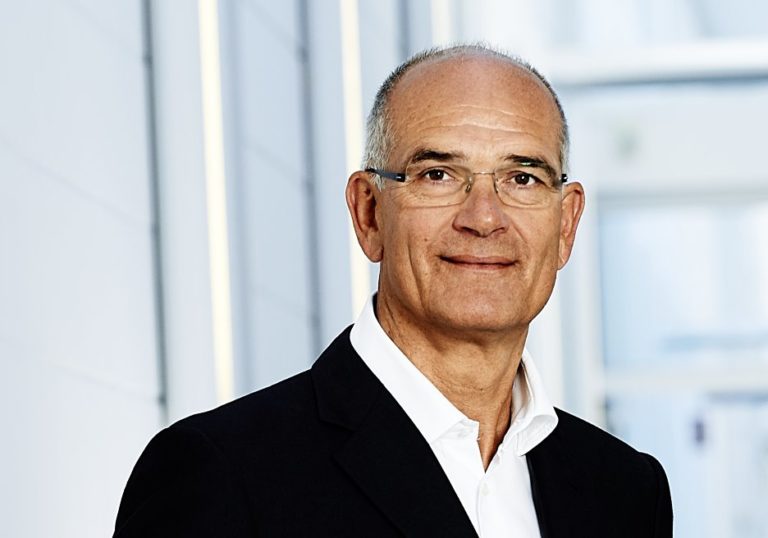
Mid October Claus Otto Hohner leaves the company and Hans-Peter Schöllhorn becomes the sole Managing Director.
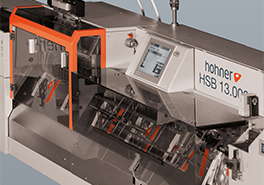
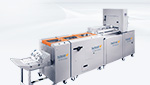
With the HSB 13.000, a new generation of saddle stitchers replaces the predecessor HSB 10.000-S. At Drupa 2012, the new DIGI-Finisher 8 is launched.
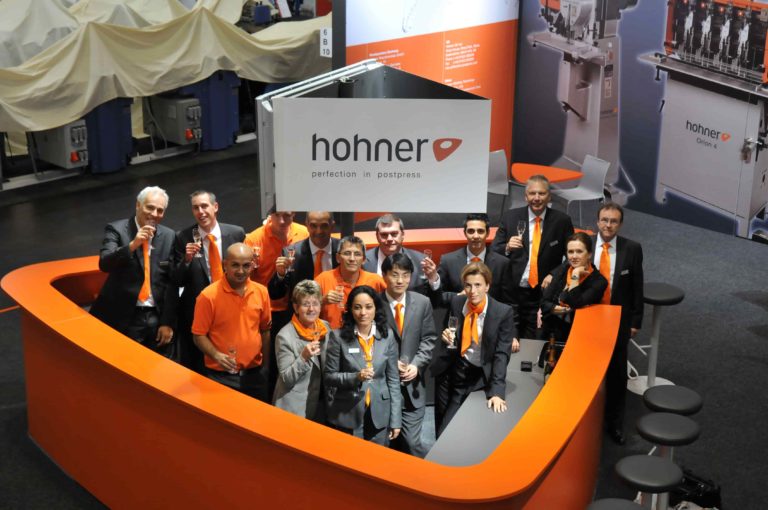
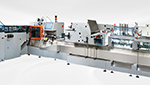
The beginning of a new era with the repositioning of the company on the world market due to a modified product range including saddle stitchers is emphasized by the relaunch and introduction of a new corporate identity in grey and orange with the famous orange knob. At Drupa 2008, Hohner presents the new HSB 8.000 saddle stitcher with tool-less operation and the fully automatic HSB 10.000-S.
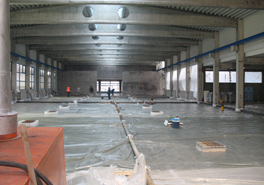
Large ceremony in the context of the 75th anniversary of Hohner. The same year Hohner establishes Hohner Stitching Technology (Nanjing) Co., Ltd. in China, the first foreign production plant. Furthermore, Hohner is selected as one of the top 100 most innovative companies in Germany. Start of construction of a further production hall and a multifunctional postpress center with conference rooms and a social wing.
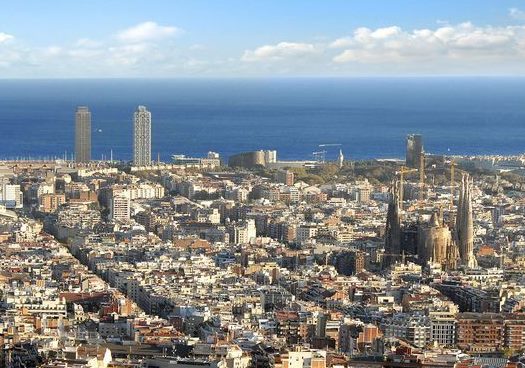
With Hohner M.A.G. SL, the company adds another Sales Subsidiary in Barcelona/Spain.
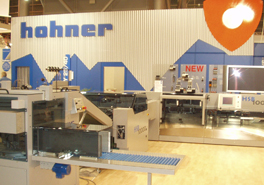
With the presentation of the HSB 7.000 saddle stitchers and, for the first time, the HSB 10.000 at Drupa 2004, Hohner achieves more and more recognition in the postpress segment. As a further innovation from Hohner, the M45/6 narrow stitching head is launched. Last but not least, the newly constructed production hall creates additional capacity.
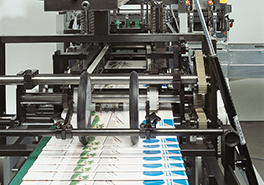
At Drupa 2000, Hohner presents their very first saddle stitcher HSB 5.000. The 43/6 narrow stitching head is added as the latest member of the Hohner stitching head family to set new standards in its field. The same year, Hohner UK, a separate sales subsidiary is established and opened in England.
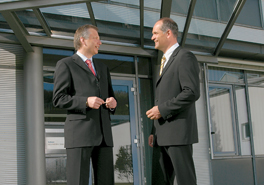
Otto Hohner KG changes its name to Hohner Maschinenbau GmbH. Management now consists of Erich Schöllhorn (Finance) as well as Claus Otto Hohner (Development and Production) and Hans-Peter Schöllhorn, representing as grandsons of the founder the third generation of the Hohner family in the company. With the UNIVERSAL 52/8 model, a new generation of stitching heads is launched on the market. In 1992 with a 10,000 sqm. new building in Tuttlingen-Möhringen, the course is set for further growth. The Hohner engineered three-side trimmer T3 for attachment to the booklet stitching machine Exact-Plus is launched in 1995. A year later, the M50/8 narrow stitching head, specially developed for use on Muller Martini and Osako saddle stitchers, is introduced to market.

With Hohner Stitching Products Inc., a strategically important market presence is established on the North American continent.
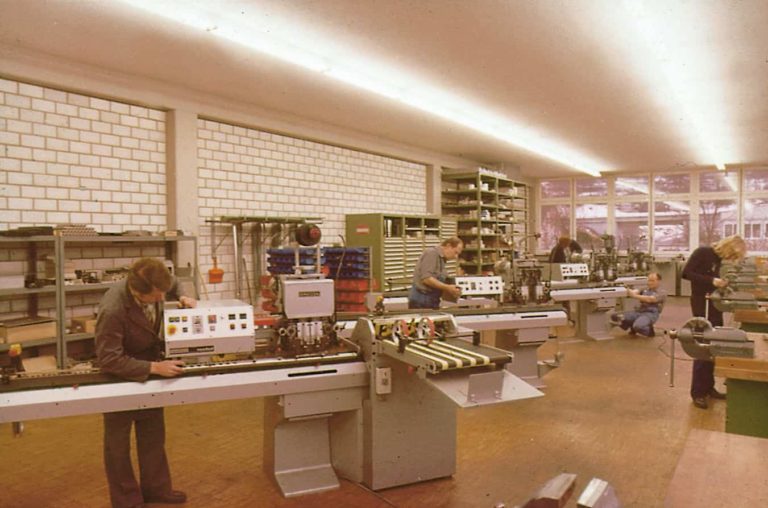
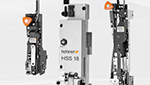
The success story of the Hohner narrow stitching heads begins in 1980. Collating machines, fully automatic saddle stitchers and production lines for school exercise booklets, writing pads, and cheque books benefit from ideas originating with Hohner. HOHNER launches the UNIVERSAL 70/20, a "Heavy Duty Narrow Stitching Head" able to run 50% thicker wires than competing products on the market.
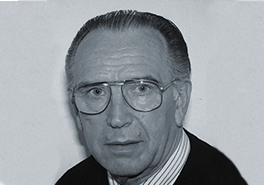
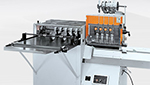
The founder’s son-in-law, Erich Schöllhorn, takes over management in 1975. Semi-automatic saddle stitchers complement Hohner’s growing product range for postpress worldwide. Its reputation as a company that puts the quality and reliability of its products above everything else has been consolidated worldwide.
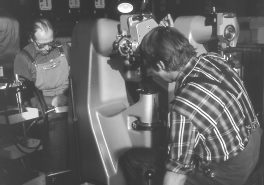
Considerable investment in the development of high-performance wire-stitching machines begin to pay off with steadily growing market share. The primary features of these wire-stitching machines were reliability and speed. To the best of our knowledge, many machines sold at that time continue to run reliably and cost-effectively still today.
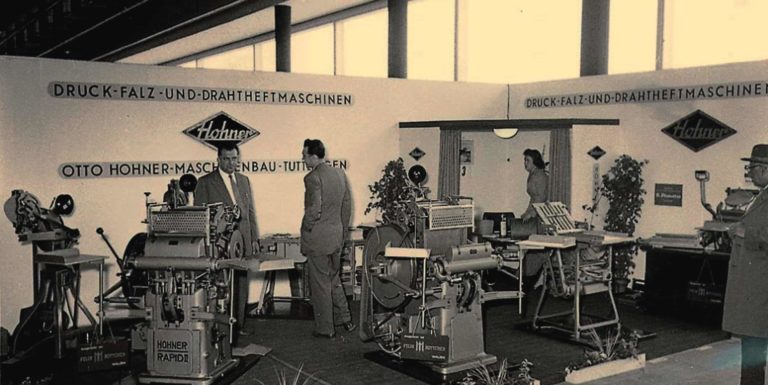
With huge investments in an extended product range of high performing wire stitching machines, HOHNER contributes to the German economic revival. 60 employees and a production floor space of 4,500 square meters have now created the necessary capacity for a further extension of the machine range.
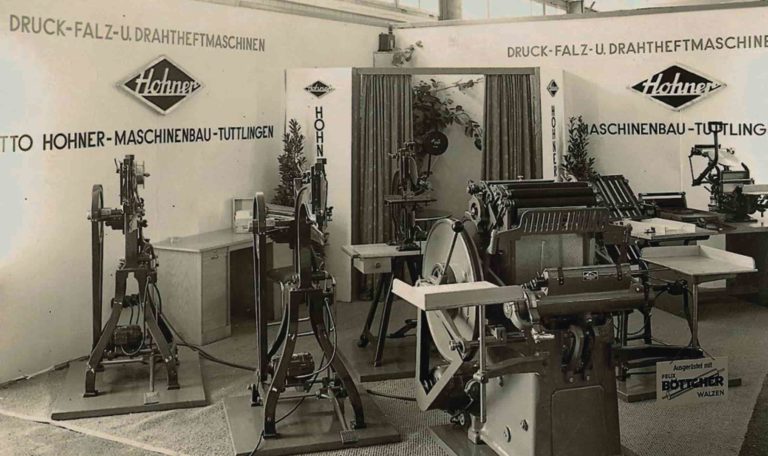
Under the forward-looking leadership of Otto Hohner, the international sales network grows to more than 50 agency representatives worldwide. Hohner already employs 35 people at the time.
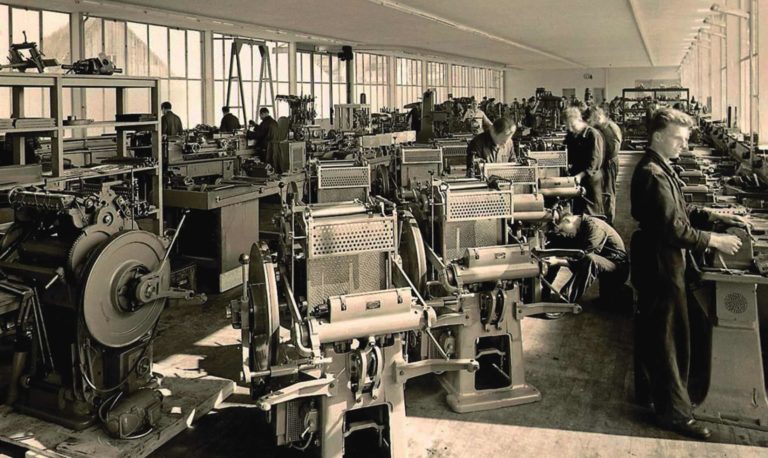
With the production of machines for printing houses, bookbinderies and cardboard box production, Hohner paves its way into the graphic arts industry.
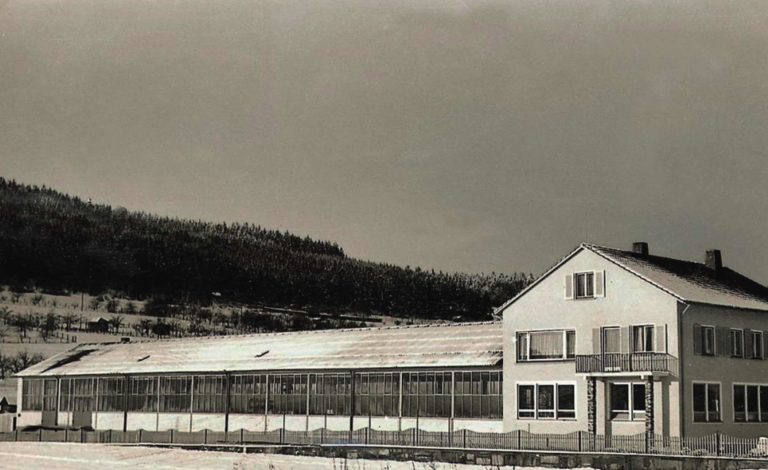
Precision from Hohner is in demand and leads to the construction of its own company building with a floor area of approx. 300 sqm.
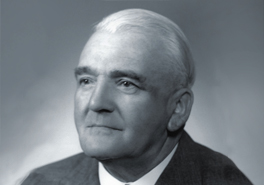
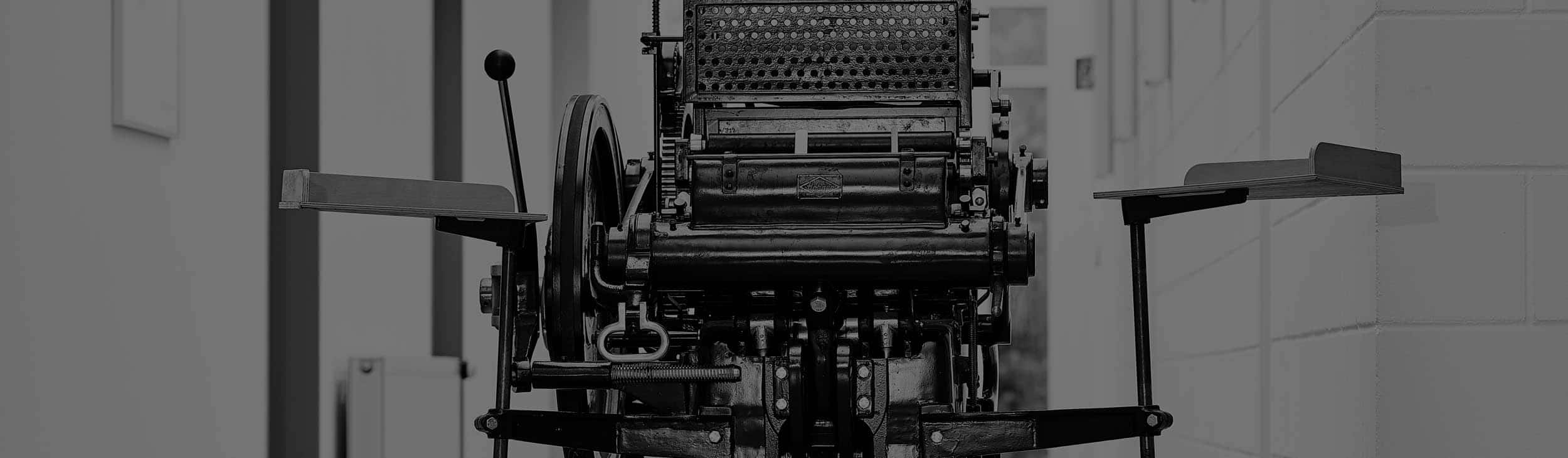
Foundation of the company by Otto Hohner in Tuttlingen. Hohner’s story begins in typical Swabian manner: The family business was manufacturing dental, veterinary and surgical instruments in the basement of a residential building. At that time, Tuttlingen was already the world center of medical technology.

Hohner Maschinenbau GmbH
Gänsäcker 19
78532 Tuttlingen
Germany
Phone +49 7462 9468-0
Fax +49 7462 9468-20
info[at]hohner-postpress.com